Top 10: Innovations in EV Charging Stations
This week’s ranking spotlights 10 charging innovations, with battery swapping emerging as a breakthrough for reducing downtime, easing range anxiety and cutting reliance on extensive charging infrastructure.
From modular swaps to large-scale networks, the technology boosts fleet flexibility and makes electrification more practical in urban and heavy-duty logistics.
Adopted by pioneers including CATL, NIO, Ample and Mitsubishi Fuso and global players BYD, SAIC, Sinopec and CNPC, battery swapping is powering Battery-as-a-Service worldwide.
In this week’s rundown, EV Magazine examines how rapid exchange platforms are reshaping the future of scalable, zero-emission freight.
10. Battery Swapping Stations
Top companies: Mitsubishi, BYD and SAIC
First Explored: 1890s
Mitsubishi CEO: Katsuya Nakanishi
Mitsubishi Founded: 1870

Battery swapping is reshaping electric mobility, offering five-minute pit stops where depleted batteries are exchanged for fully charged ones.
This reduces the need for extensive charging infrastructure, eases range anxiety and makes EVs more practical in urban settings.
CATL and U Power lead large-scale rollouts in China, while Tual Technology develops modular swaps in the UK.
Ample and Mitsubishi Fuso are testing in Japan, NIO expands across Europe and BYD, SAIC, Sinopec and CNPC build heavy-duty infrastructure supporting Battery-as-a-Service.
9. Seamless payment and interoperable charging platforms
Top companies: ChargePoint, TotalEnergies and Visa
First Explored: 2010s
Chargeoint CEO: Rick Wilmer
Chargepoint Founded: 2007
Seamless payment and interoperable charging platforms (ICPs) are vital for electric heavy goods vehicles (EHGVs), enabling drivers to charge across networks with one account or app.
Visa is driving innovation in payment solutions, offering fast, contactless options and rewards to make charging more convenient.
EV Connect, ChargePoint and TotalEnergies lead efforts in open standards and cross-network roaming, while Greenlots, BTC Power and Allego deliver interoperable hardware and smooth user experiences.
EVgo promotes best practices that enhance consistency.
Together, these companies remove proprietary barriers, cut downtime and support efficient, scalable electrification of long-distance logistics and freight.
8. Voice user interface (VUI) and biometric authentication
Top companies: Tesla, Siemens and ABB
First Explored: 1950s
Tesla CEO: Elon Musk
Tesla Founded: 2003
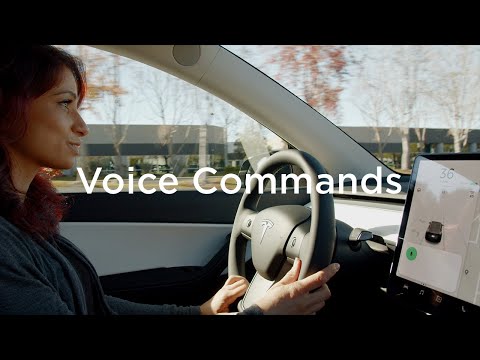
VUI and Biometric Authentication offer secure, hands-free access and faster authentication.
Tesla, Paravision and ABB lead in integrating biometrics like facial recognition and fingerprint sensors, while ChargePoint and Rocsys explore VUI for seamless operation in harsh weather.
Siemens, Hubject and Virta support secure protocols and Plug&Charge systems.
The University of Oxford’s CableAuth is pioneering behavioural biometrics such as detecting how a cable is unhooked, adding a new layer of security to commercial fleet operations.
7. Dynamic wireless charging
Top companies: Volkswagen, GRIDSERVE and JLR
First Explored: 1980-1990s
JLR CEO: P.B. Balaji
JLR Founded: 1922
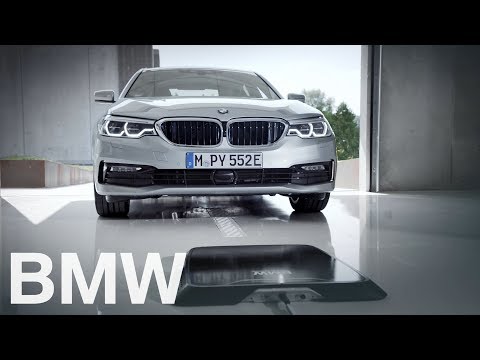
Dynamic wireless charging is redefining electric mobility by enabling vehicles to charge while driving, reducing downtime and reliance on large batteries.
JLR, Momentum Dynamics, Fortum Recharge and Cabonline are pioneering the world’s first high-powered wireless taxi fleet in Oslo under the ElectriCity initiative.
Qualcomm has tested dynamic charging tracks near Paris, while trials in Sweden and China are proving large-scale feasibility for trucks and cars.
Volkswagen envisions inductive “snack charging” at traffic lights, while GRIDSERVE highlights near-term applications for taxi ranks.
Together, these projects demonstrate the potential of seamless, cable-free, grid-integrated charging for future transport.
6. AI-driven smart charging and energy management
Top companies: Siemens, ABB and ChargePoint
First Explored: 2010s
Siemens CEO: Roland Busch
Siemens Founded: 1847
AI-driven smart charging and energy management are transforming electric heavy goods vehicle (EHGV) operations, cutting costs and optimising power use.
Driivz, Siemens, ABB and ChargePoint lead in load balancing and grid protection, while EVBox, GreenFlux and enjoyelec enable solar and storage integration.
Equans supports large-scale rollouts, ensuring scalability.
GRIDSERVE highlights AI as the cornerstone of seamless charging, enabling Plug & Charge, battery pre-conditioning and intelligent roaming.
Together, these innovations enhance readiness, reduce tariffs and deliver efficient, future-ready electrification for heavy-duty fleets.
5. Integration with renewable energy sources
Top companies: Tesla, GRIDSERVE and ChargePoint
First Explored: Late 1900s
GRIDSERVE CEO: Daniel Kunkel
GRIDSERVE Founded: 2017
Solar-powered charging systems (SPCSs) are redefining electric heavy goods vehicle (EHGV) operations by integrating renewable energy directly into charging infrastructure.
GRIDSERVE leads with net-zero chargers powered by hybrid solar and battery farms, alongside solar canopies and on-site storage.
Tesla, Beam Global and ChargePoint provide solar-integrated solutions, while Siemens, ABB and Ztric develop scalable fleet systems.
By reducing grid reliance, lowering costs and enabling off-grid resilience, SPCSs support clean, renewable charging, making them a vital innovation for sustainable heavy-duty electrification.
4. Mobile charging solutions (MCSs)
Top companies: RAC, Heliox and SparkCharge
First Explored: Late 1800s
RAC CEO: Dave Hobday
RAC Founded: 1897
MCSs are revolutionising EHGV, offering flexible, on-demand power wherever it’s needed.
Ideal for remote routes, emergencies or unexpected detours, they ensure trucks stay charged without relying on fixed infrastructure.
SparkCharge, ZAPME and Heliox provide scalable, rapid mobile units for fleet depots and roadside use.
EVmobile and RAC deliver emergency services, while BP Pulse supports flexible operations across geographies.
MCSs reduce upfront costs, support Charging-as-a-Service models and electric truck adoption, making them vital for reliability and resilience during the transition to zero-emission freight.
3. Bi-directional charging (V2G)
Top companies: Virta, ABB and Siemens
First Explored: 1990s
Virta CEO: Christian Girardeau
Virta Founded: 2013

Vehicle-to-grid (V2G) integration transforms electric heavy goods vehicles (EHGVs) into mobile energy assets, enabling their 250–600 kWh batteries to store and return power to the grid.
This strengthens grid stability, supports renewables, lowers costs and reduces fossil-fuel reliance.
Fleets benefit by cutting energy bills, selling power back and avoiding costly infrastructure upgrades, while V2G also enhances resilience by powering buildings during outages.
Virta, Nuvve and Fermata Energy lead software and deployment, with SWARCO, ABB and Siemens supplying V2G-ready hardware.
Daimler, Volvo, MAN and Scania are trialling fleet applications, supported by UK Power Networks and EDF in utility-scale rollouts.
2. Wireless (inductive) charging
Top companies: Ideanomics, Electron and InductEV
First Explored: First explored: 1890s
Ideanomics CEO: Alf Poor
Ideanomics founded: 2004

Wireless and dynamic wireless charging are game-changing EHGV innovations, enabling trucks to charge without cables, either while parked or in motion.
Static charging simplifies depot operations, while dynamic wireless charging allows vehicles to recharge while driving, minimising downtime and enabling near-continuous logistics.
This reduces battery size and weight, improves cargo capacity and supports route flexibility.
WAVE (Ideanomics), Electreon and InductEV lead real-world deployments of high-power systems (up to 500 kW), while WiTricity and Electric Green advance efficient, bidirectional technologies.
Cummins and Purdue University are piloting heavy-duty use cases in the US, with Siemens and Swinburne leading trials in Australia alongside ACE Infrastructure, SEA Electric and others.
Wireless systems also cut infrastructure clutter, enhance safety, support real-time energy management and improve access for drivers.
These technologies are especially valuable in ports, depots and high-traffic hubs, making hands-free, grid-integrated charging more scalable and practical for the future of electric heavy-duty transport.
1. Ultra fast charging
Top companies: Cavotec, Virta and ABB
First Explored: 2010s
Volvo CEO: Martin Lundstedt
Volvo founded: 1927

EV adoption depends on fast, reliable and scalable charging and the industry’s leading innovators are delivering.
ABB’s A400 all-in-one charger offers upgradable power from 200 kW to 400 kW, dynamic load sharing and award-winning user interfaces, setting new benchmarks for seamless charging.
Cavotec, Kempower, Virta and Flooxpower provide modular, depot-scale systems up to 4.5 MW, reducing wait times and supporting fleet electrification.
Nyobolt is advancing battery technology to unlock ultra-fast charging at scale.
CharIN, backed by Daimler, Volvo, MAN and Scania, is driving global adoption of the Megawatt Charging System (MCS), ensuring interoperability across heavy vehicles.
Kempower stands out for compact modularity, dynamic power distribution and advanced cable management, while Flooxpower and Virta integrate smart energy management and digital platforms.
Collectively, these companies are shaping the future of EV charging by prioritising scalability, efficiency, interoperability and user experience.
They enable logistics, fleets and retail operators to electrify with confidence.