
Porsche Considers Leadership Change For EV Strategy
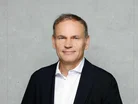
Porsche is contemplating a leadership change as it navigates the complex and costly transition to electric vehicles.
The German carmaker has confirmed it will open negotiations with its current CEO, Oliver Blume, about his departure, while talks are expected to begin with former McLaren Automotive Boss, Michael Leiters, about taking the helm.
The potential change comes as Porsche adjusts its electric vehicle strategy as a result of a market that has been slower to adopt EVs than anticipated.
Porsche, known for the electric Taycan, has faced financial headwinds which could be linked to the expensive nature of electrification and changing market dynamics in key regions like China.
For years, investors have raised concerns about Oliver Blume's dual role as CEO of both Porsche and its parent company, Volkswagen AG. Oliver has led Porsche since 2015 and took on the additional Volkswagen leadership position three years ago.
The supervisory board’s authorisation to initiate negotiations with Michael could signal a move towards dedicated leadership for the sports car brand.
In an interview with the German Press Agency, Oliver acknowledged the finite nature of his current arrangement, stating: “I’ve always said: my dual role is not designed to last forever.”
A new leader for a changing EV market
Michael, the potential successor, has a long history with Porsche. Before a stint as Chief Technology Officer at Ferrari and later CEO of McLaren, he spent over a decade at Porsche in roles that included Product Line Director. His experience could be vital as Porsche re-evaluates its product roadmap.
During his time at McLaren, McLaren launched the Artura Spider and Coupe, models that feature a hybrid powertrain.
McLaren says he also oversaw the launch of the 750S, SolusGT and the W1, which it called the “next chapter in McLaren’s legendary ‘1’ car lineage”.
Announcing his departure from McLaren in April 2025, Michael said: “I am honoured to have led McLaren over the past three years. I am thankful to have worked alongside such a dedicated and talented team.”
Financial pressures and electrification strategy
The move towards new leadership follows a period of financial pressure. According to Porsche's most recent financial report, Porsche posted sales revenue of €40.083bn (US$46.87bn) in fiscal year 2024, a 1.1% decrease from the previous year.
This figure corresponds to a 6.3% drop in unit sales, which some reports suggest is influenced by declining sales in the Chinese market.
This slowdown is occurring as the global car industry grapples with the high cost of developing EVs and a slower-than-hoped-for uptake in Europe and the US.
Highlighting the difficulties, Patrick Hummel, a USK analyst, told the Financial Times: “Porsche is still a very complex case for the next few years so the sooner the better that they have a full-time CEO.”

Recalibrating Porsche's electric future
Porsche announced in September a “comprehensive strategic alignment plan” that will see it delay the rollout of a new EV range and extend the life of its internal combustion engine products. The plan will scrap the scheduled release of a new EV family positioned above the Cayenne SUV.
Instead, Porsche says it will "strategically reposition its battery activities and expand its product portfolio to include additional models with combustion engines and plug-in-hybrid systems”.
This strategic pivot is expected to incur expenses of €1.3bn (US$1.5bn) in the 2025 fiscal year.
Discussing the redirection, Oliver explained: “This has a noticeable impact on our earnings, but we accept that. It is necessary to ensure that Porsche remains robust and highly profitable.”
The focus now appears to be on finding a CEO who can give their full attention to guiding Porsche’s profitability and competitiveness through this evolving landscape, while Oliver continues to lead the broader Volkswagen Group.
Company portals

Executives
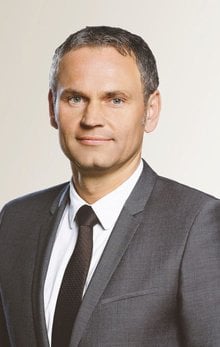
Oliver Blume
CEO