Extreme Cold & AI Driving: This Week's Top EV News


23 February
In Folldal, Norway, 24 EVs were subjected to extreme conditions with temperatures plunging as low as -32 C to see which models were impacted least.
The Norges Automobil-Forbund (NAF) Winter El Prix 2026, held in collaboration with Motor, found that most vehicles came close to their stated charge times even in the severe cold.
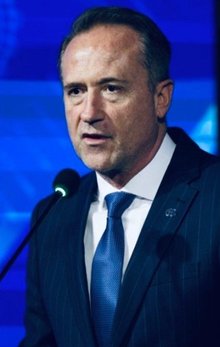
Willem Groenewald, FIA Secretary General for Automobile Mobility and Sustainability, says: "The future of mobility is constantly changing. Providing consumers with essential data on new technologies, such as improved performance of EVs is key for shaping selection and choice for road users."
25 February
UK-based autonomous driving company Wayve has closed a US$1.2bn Series D funding round, bringing its post-money valuation to US$8.6bn.
The round was led by Eclipse, Balderton and SoftBank Vision Fund 2, with participation from Microsoft, NVIDIA and Uber, as well as automotive manufacturers Mercedes-Benz, Nissan and Stellantis.
Wayve says the capital will fund the commercial rollout of its end-to-end AI Driver platform across consumer vehicles and ride-hailing fleets globally.
Alex Kendall, Co-Founder and CEO of Wayve, says: “With US$1.5bn secured, we are building for a total addressable market that spans every vehicle that moves."
24 February
Italian supercar manufacturer Lamborghini has officially abandoned its plans to produce all-electric vehicles.
The company will instead adjust its long-term strategy to focus exclusively on plug-in hybrid models. This decision follows a significant drop-off in demand for fully electric cars among its wealthy global clientele.
While Lamborghini had previously unveiled its first all-electric concept, the Lanzador, in 2023, the firm has confirmed it no longer intends to put this specific model into production.
The move reflects a broader industry shift as luxury brands reassess the "acceptance curve" for battery technology in the high-performance automotive segment.
24 February
EV charging has become an increasingly important pathway for reducing transportation emissions and for generating compliance credits under major fuel programmes.
Beginning with the 2026 reporting year, California’s Low Carbon Fuel Standard (LCFS) will now require third-party verification of EV charging credits by an accredited verification body (VB). Under Canada’s Clean Fuel Regulations (CFR), many operators will be verifying their EV credits for the first time because the regulation is new. For many charging operators, fleet owners, site hosts and municipalities, this will be the first time their EV data is formally audited.
24 February
Sustainability LIVE: The Net Zero Summit 2026 includes a dedicated EV LIVE stage, making it one of the most targeted events in the calendar for EV leaders.
The agenda covers charging infrastructure, fleet transition, heavy transport and the long-term direction of net zero automotive policy.
Taking place at the QEII Centre in London on 4-5 March, leaders will leave the event with specific solutions and practical strategies for the future.
Company portals










Executives
Daniel Ciarcia
Senior Carbon Consultant / Account Manager
Willem Groenewald
Secretary General for Automobile Mobility and Sustainability