How Maersk & Unilever are Partnering on Saudi EV Logistics
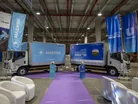
A.P. Moller - Maersk and Unilever are preparing to launch a new electric van model in Saudi Arabia – an initiative that marks a major step in the decarbonisation of the country's logistics sector.
This collaboration combines Maersk's logistics infrastructure with Unilever's extensive supply chain to develop more sustainable transport solutions in line with Saudi Vision 2030 objectives.

Strategic partnership for EV adoption
The procurement of electric vehicles is a key component of both companies’ broader environmental strategies.
Maersk, one of the world's largest integrated logistics companies, is pursuing a net zero GHG emissions target by 2040.
Maersk's approach involves implementing new technologies and lower GHG emission fuels and it currently provides low-emission trucking solutions in more than 14 countries, including the USA, China and India.
Similarly, Unilever has a commitment to achieve net zero emissions across its value chain by 2039 with a goal to reduce greenhouse gas emissions from its logistics network by up to 50% by 2030.
For both Maersk and Unilever the transition to electric vehicles is a critical part of their decarbonisation roadmaps.
The joint venture to introduce EVs into Saudi Arabian logistics will require considerable operational planning and stakeholder engagement.
Maersk and Unilever are working together to ensure the necessary infrastructure is established to support the scheme and facilitate a successful decarbonisation strategy.
This partnership brings together a logistics provider and a major customer to actively shape the future of sustainable transport in the region.
"As electric vehicle technology advances and charging infrastructure expands across Saudi Arabia, we're seeing more opportunities to deploy emission-free trucks in place of diesel units," says Ahmed Elesseily, Managing Director at Maersk Saudi Arabia.
"We're proud to partner with forward-thinking customers like Unilever who are committed to decarbonising logistics solutions that deliver value throughout their supply chain."
The role of electric vans in Vision 2030
This initiative directly supports the sustainability goals of Saudi's 'Vision 2030' framework, through which the nation is aiming to reduce its carbon emissions by 278 million tonnes annually and increase the share of renewable energy to 50%.
The deployment of EVs is part of a wider transformation of sustainability in Saudi Arabia contributing to the vision of a thriving society with a strong business environment.
The new electric van will operate exclusively with one of Unilever's primary retail partners, the BinDawoof Group.
It is set to cover a 50km radius and travel up to 3,500km per month.
This project builds upon an existing successful collaboration where Maersk and Unilever integrated warehouses into a single fulfilment centre at Maersk's Logistics Park in Jeddah which has already resulted in a 5% reduction in emissions.
The park features a 64,000sqm rooftop solar plant and an advanced cooling system that uses natural refrigerants.
Integrating EVs with sustainable infrastructure
The effectiveness of the electric van is enhanced by the sustainable infrastructure that supports it.
Plans include using solar energy for charging which further minimises the environmental footprint of the logistics operations.
This integrated approach combining electric vehicles with renewable energy sources is central to achieving major emissions reductions.
Both Maersk and Unilever intend to scale their electric fleets across their Saudi operations and explore other innovations such as solar-powered warehousing and intermodal transport solutions.
"This is the first van deployment in our Saudi fleet and it represents our commitment to reducing logistics-related emissions wherever feasible," says Ahmed Kadous, Vice President of Customer Operations, Pakistan, Turkey, Arabia and Bangladesh at Unilever.
"This is another building block of our emission reduction plans in partnership with Maersk," he adds.
"The electric van combined with solar energy charging infrastructure means we practically reduce emissions by 100% compared to a conventional truck.
"We’re proud to introduce this innovation in Saudi Arabia supporting Saudi Vision 2030 and joining global efforts. By improving efficiency and cutting emissions we strengthen sustainability while delivering greater value to our customers."


Executives
Ahmed Elesseily
Managing Director
Ahmed Kadous
VP Customer Operations PTAB (Pakistan, Turkey, Arabia, & Bangladesh)