According to the United Nations, transport contributes to around 30% of global emissions each year.
About one-tenth of that figure is down to shipping from the logistics sector.
It is obvious, then, that the corporations responsible for imports, exports and deliveries have a huge task on their hands when it comes to decarbonisation.
Right now, electrification represents the clearest route to sustainability for these companies, which means that EVs are in high demand all through the global economy.
Aside from cutting emissions though, EVs can also enhance operational efficiency for companies, providing savings in the long run.
Sustainable fleets that incorporate electric, hybrid and alternative-fuel vehicles are pivotal in contributing to cleaner air, resource conservation and the fulfilment of both near- and long-term sustainability targets.
This week, we examine 10 of the most impressive electrification initiatives right across the corporate spectrum.
10. Siemens
Revenue: US$83.1bn
Employees: 320,000
CEO: Roland Busch
Founded: 1847

Siemens is on track to reach net zero operations by 2030, thanks in part to its investment in the transition to fully electrified vehicle fleets and robust charging infrastructures.
Committing to the Climate Group's EV100 initiative in 2021, Siemens vows to electrify all vehicles under 3.5 tonnes by the decade's end while ensuring half of those between 3.5 and 7.5 tonnes adopt electrification.
Siemens is investing in infrastructure development to support this electric shift.
9. Schneider Electric
Revenue: US$38.7bn
Employees: 150,000
CEO: Olivier Blum
Founded: 1836

Deeply embedded within Schneider Electric's business ethos is the pursuit of sustainability, with a specific focus on fleet electrification as a keystone.
With plans to electrify 14,000 vehicles worldwide by 2025, Schneider emphasises the role of employees in achieving climate-positive outcomes.
“Sustainability is at the heart of everything we do and, everyday, our employees have a crucial role to play in positively impacting climate,” says David Hall, Vice President of Power Systems at Schneider.
8. IKEA
Revenue: US$50.4bn
Employees: 219,000
CEO: Jesper Brodin (Ingka Group)
Founded: 1943
IKEA aims for zero-emission deliveries by the end of 2025, doubling its EV fleet annually since 2017, apart from during FY22.
The retailer's roadmap includes:
- Setting and achieving CO₂ reduction targets within its delivery fleet
- Working in tandem with local authorities and partners
- Identifying and adopting technologies and fuels suitable for national infrastructure
- Regularly monitoring and transparently reporting progress to ensure accountability
This collaborative approach facilitates the adoption of technologies compatible with national infrastructures for zero-emission logistics.
7. DHL
Revenue: US$87.5bn
Employees: 594,000
CEO: Tobias Meyer
Founded: 1969

As a global logistics company, DHL has a huge task on its hands when it came to electrification. With a fleet of more than 90,000 vehicles, modernisation requires a radical overhaul.
DHL is already making quick progress, intending for 60% of its deliveries to be EV-managed by 2030.
“Every major DHL region worldwide now operates electric vehicles in the last mile,” says Ben Gesing, Director of Global Ground Operations at DHL Express.
“It’s truly an exciting time for all involved in ground operations and fleets.”
6. UPS
Revenue: US$91bn
Employees: 500,000
CEO: Carol B. Tomé
Founded: 1907
UPS's storied history with EVs dates back to the 1930s, decades before they were ever considered a mainstream medium for mobility.
Today, its sustainability initiatives revolve around innovating its network with electric vehicles and sustainable facilities.
The 2022 transition to an electrified fleet in China exemplifies its commitment to this direction, aiming for 40% alternative fuel usage in ground operations by 2025.
5. PepsiCo
Revenue: US$91.5bn
Employees: 318,000
CEO: Ramon Laguarta
Founded: 1965
The story of PepsiCo's fleet decarbonisation is one of adaptation and exploration.
The global food & drink giant is actively working with companies like Einride and Tesla to integrate electrified solutions into its operations, but it is also exploring hydrotreated vegetable oil (HVO) diesel across its supply chains too.
Moving Walkers' products using HVO-powered trucks exemplifies PepsiCo's proactive emissions reduction, forecasting significant GHG savings by 2024, a testament to their commitment to sustainable logistics practices.
4. Walmart
Revenue: US$648bn
Employees: 2.1 million
CEO: Doug McMillon
Founded: 1962
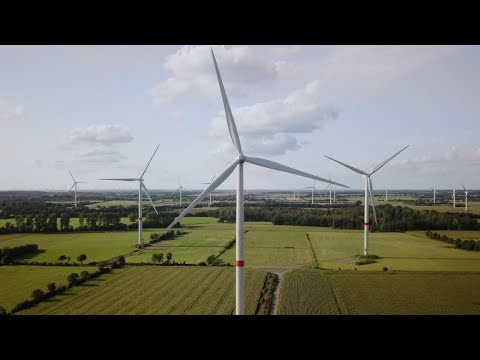
Walmart has been actively expanding its electric vehicle fleet as part of its sustainability goals, with plans to electrify all of its vehicles by 2040.
The retail giant has placed orders for Tesla Semi trucks, deployed EV delivery vans in several markets, and is installing EV charging infrastructure at stores nationwide while also testing autonomous electric delivery vehicles to reduce its carbon footprint across its massive distribution network.
From 2005-2015, it doubled fleet efficiency and is now determined to maintain momentum by working with manufacturers and policymakers.
3. Amazon
Revenue: US$576bn
Employees: 1,532,000
CEO: Andy Jassy
Founded: 1994
Amazon is the world's largest online retailer, which naturally means its transport requirements are gigantic.
The US-based firm is expanding its low-emission fleet through a strategy of aggressive electric vehicle procurement, including a substantial order of 100,000 EVs from American manufacturer Rivian (the largest order of its kind), complemented by investments in European EV fleets.
It has already deployed thousands of EVs across its vast network, but many more deployments are still pending. This initiative is part of Amazon's broader Climate Pledge to reach net zero carbon emissions by 2040.
The company’s electric fleet has already handled 680 million packages globally and is likely to hit a billion orders in the not-so-distant future.
2. XPO Logistics
Revenue: US$7.7bn
Employees: 39,000
CEO: Mario Harik
Founded: 2000

XPO Logistics stands among North America's leading asset-based less-than-truckload (LTL) freight transportation providers and has operations across Europe to boot.
XPO serves around 50,000 clients with advanced supply chain offerings, including final-leg delivery services and international forwarding capabilities, operating through a network of 550 facilities.
The firm has made a significant commitment to electric vehicles, including the purchase of 165 Renault Trucks E-Tech electric rigids. It plans to have around 25% of its deliveries using electric vehicles by 2030, aiming to reduce CO₂ emissions by more than 26,000 tonnes.
Aside from electrification, though, it has made sizable investments in HVO vehicles, diversifying its fleet and feedstocks in the process.
1. FedEx
Revenue: US$87.7bn
Employees: 500,000+
CEO: Raj Subramaniam
Founded: 1971
FedEx is broadening its sustainability programmes by implementing renewable energy solutions at its facilities, converting its delivery vehicles to electric alternatives and investigating natural carbon sequestration techniques for the shipping industry.
During 2024, the company has introduced various eco-friendly vehicles, including electric vehicles and emission-free motorcycles in Brazil, alongside EVs in countries such as Canada, Chile, Spain, the UK, the Netherlands and the UAE.
In February 2024, FedEx Express completed the inaugural international package delivery between Malaysia and Singapore using an electric vehicle, showing the cross-border potential of EVs and eschewing range anxieties prevalent in the logistics sector.
The journey required just one charging stop in Johor and produced 100kg less carbon dioxide emissions than traditional diesel vehicles would have generated. This milestone highlights FedEx's dedication to reaching operational carbon neutrality by 2040.
Explore the latest edition of EV Magazine and be part of the conversation at our global conference series, Sustainability LIVE.
Discover all our upcoming events and secure your tickets today.
EV Magazine is a BizClik brand