
Inside Panasonic's Sustainable EV Battery Factory in Kansas

Electric vehicles (EVs) continue to play a crucial role in reducing greenhouse gas emissions, especially from the transport sector, which produces about 23% of global emissions.
Of that, road transport makes up 69%, according to the United Nations Economic Commission for Europe. That reality pushes companies like Panasonic Energy to strengthen EV supply chains while supporting decarbonisation efforts.
Panasonic Energy Co has opened its second North American automotive battery production base in De Soto, Kansas, producing cylindrical lithium-ion batteries, known as “2170” cells, for EVs. The factory joins the company’s existing Nevada site as part of a two-pillar strategy to anchor production in both Japan and North America.
The Kansas factory stretches across 1.2 million square metres, making it one of the largest EV battery manufacturing sites in North America. But beyond size, this facility marks a deeper investment in local supply chains, cleaner production and regional development.
“Today, we are the North American market leader in EV lithium-ion battery cells," says Yasuaki Takamoto, CEO of Panasonic Energy Corporation for North America. "Our growth is fuelled by advanced technologies and a commitment to sustainability.
“This factory will produce our latest generation 2170 cylindrical lithium-ion battery cells, and our customers will soon benefit from these cells produced right here in Kansas.”
Strengthening EV supply chains
Panasonic Energy's Kansas site reflects a shift towards a more localised and sustainable supply chain model.
With more than 80% of a lithium-ion battery's carbon footprint coming from upstream activities, such as raw material extraction and processing, the company targets local sourcing and material reuse to help reduce environmental impact.
The company aims to cut the carbon footprint (CFP) of its automotive batteries by 50% by fiscal 2031 compared to fiscal 2022. This includes introducing recycled materials, lowering use of rare metals and adapting production processes. CFP is measured by the total greenhouse gas emissions in CO2 terms across a product’s lifecycle.
Production at the Kansas factory benefits from more than 30 years of lithium-ion battery manufacturing experience and eight years of operational insights from the Nevada facility. Panasonic Energy improves factory productivity by 20% through efficient layout and automation. Battery capacity is also set to rise by around 5% thanks to new materials, keeping the company competitive in the expanding EV market.
The expansion supports Panasonic Group’s environmental strategy, “Panasonic GREEN IMPACT,” and its “CONTRIBUTION IMPACT” pillar, which focuses on reducing CO2 emissions within business activities.
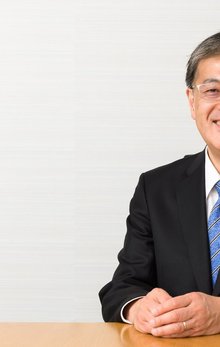
“The Kansas factory will build a sustainable future and provide more opportunities as Panasonic works to respond to global demand,” says Yuki Kusumi, Group CEO of Panasonic Holdings Corporation.
“Through job creation, collaboration with academic institutions, and technological innovation, this factory symbolises building the future together with the local community. That is a source of pride for Panasonic.”
Economic impact and job creation
Beyond batteries, the Kansas factory delivers regional development on an unprecedented scale. This includes 4,000 direct jobs and around 8,000 additional positions through suppliers and affiliated companies. The annual economic contribution to the state reaches US$2.5bn.
Kristen Walters, Vice President of Human Resources at Panasonic Energy Corporation of North America, says: “We’re not just building a factory; we’re creating a future for generations of people, investing in talent and community to build the world’s most advanced technologies.”
Panasonic works with the University of Kansas and other local institutions to train specialists and develop battery technologies, addressing local workforce gaps and keeping skilled talent in the state.
In a region where agriculture dominates, many young people have previously left after college. Now, the factory offers them a reason to stay.
Panasonic’s community efforts include education initiatives supported by local officials, and outreach led by brand ambassador Katie Ledecky. Her visit to students at the Cedar Trails Exploration Center in Lenexa highlights the company’s focus on inspiring future engineers and scientists.
“Panasonic’s decision to locate this plant near De Soto is a stamp of approval we appreciate,” says US Senator Jerry Moran.
“This investment is a bright indication of what Kansans can achieve and will offer the world – creating new career opportunities in advanced manufacturing and technology.”

Reliable battery supply for the EV transition
Panasonic Energy has already delivered about 20 billion lithium-ion batteries for automotive use, powering an estimated four million EVs. No battery-related recalls have been linked to its products.
The Kansas factory builds on that track record, helping ensure a steady supply of EV batteries as global demand continues. This commitment aligns with growing international collaboration around clean energy.
Japan’s Ambassador to the United States, Shigeo Yamada, acknowledges the factory's importance: “Today, the completion of the Kansas battery factory shows that collaboration toward a sustainable society has entered a new stage. We expect international cooperation toward the future to accelerate even further.”
Panasonic Energy continues to move forward with communities, reduce CO2 emissions and support EV adoption across North America. Its Kansas facility stands not just as a production site, but as a long-term investment in technology, people and climate response.
Company portals

Executives

Yasuaki Takamoto
CEO of Panasonic Energy Corporation for North America
Yuki Kusumi
CEO