How are JLR & Pirelli Creating Renewable EV Tyres From Rice?
JLR is reworking how EVs roll, starting at the wheels.
In partnership with tyre manufacturer Pirelli, the carmaker is introducing a tyre that uses more than 70% recycled and renewable materials and it’s heading to production in 2025.
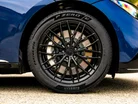
The move places JLR as the first vehicle manufacturer to fit these tyres as original equipment on its cars, with the 22-inch Range Rover wheels the starting point.

Tyres and microplastics: the EV problem underfoot
The new tyre, developed from the Pirelli P Zero line, is specifically designed for JLR’s electric and electrified models.
With a focus on sustainability and no loss of performance, the partnership aims to address one of the more overlooked environmental issues in electric mobility tyre pollution.
“This is another example of how JLR is leading on sustainable design innovation in collaboration with its supply chain partners to deliver at scale, while reducing the environmental impact of our products,” says Reuben Chorley, Sustainable Industrial Operations Director at JLR.
While EVs eliminate tailpipe emissions, they still have to contend with tyre wear.
Research from the University of Portsmouth shows tyre wear accounts for around 28% of microplastics entering the global environment.
This environmental burden becomes more noticeable as EVs tend to be heavier than petrol or diesel models due to battery packs, which increases wear.
Tyre production also depends heavily on non-renewable inputs. Typical tyres use both natural and synthetic rubber.
The latter is petroleum-based and relies on fossil fuels.
A single tyre may contain more than 400 different chemicals including heavy metals and compounds like polyaromatic hydrocarbons and benzothiazoles.
As tyres wear down, these materials are released into the atmosphere or wash into soil and waterways.
Pirelli produces more than 74 million tyres each year, including for motorsport like Formula 1, so small changes at scale could bring noticeable environmental benefits.
The collaboration with JLR targets just that.
“Achieving a more sustainable composition without compromising quality and performance is a challenge because of the complexity of tyre design,” says Reuben.
“But working closely with Pirelli and leveraging both company’s expertise in procurement and engineering, we have been able to deliver this industry first.”
What makes this tyre different?
The new Pirelli P Zero developed for JLR is the result of material swaps and circular recovery.
It uses silica sourced from rice husks, a waste product from rice milling. Traditionally, silica is mined to help tyres perform better in wet conditions, but this extraction has environmental costs.
Using rice husk-derived silica reduces that impact.
Instead of fossil-based polymers and resins, Pirelli substitutes in alternatives made from agricultural byproducts and used cooking oils.
These plant-based sources help limit reliance on petrochemical inputs.
The tyres also incorporate recycled carbon black, a material normally produced through incomplete hydrocarbon combustion.
Recovering it from end-of-life tyres reduces emissions and extends the lifecycle of the material.
Pirelli introduced a logo in 2023 for tyres that contain at least 50% recycled or natural content.
The tyres for JLR go even further and are part of an expanding push into sustainable components throughout the car.
“This new success is a testament to how collaboration fuels innovation - setting a new benchmark for responsible luxury without compromising performance,” says Andrea Debbane, Chief Sustainability Officer at JLR, on LinkedIn.
FSC-certified rubber and EV alignment
The new P Zero tyre also features Forest Stewardship Council (FSC)-certified rubber.
FSC certification ensures that materials come from responsibly managed forests, offering traceability and better protection for ecosystems and people in the supply chain.
In July 2024, JLR confirmed a wider partnership with Pirelli to scale the use of FSC-certified tyres across its product lines.
For electric vehicle buyers, this connects directly to the broader ethos of low-emission and lower-impact transport.
Every part of the vehicle, down to the tread, is being scrutinised.
“This is an exciting point in our sustainable luxury journey, as we partner with Pirelli, a company that shares JLR’s sustainability ambition and is at the forefront of sustainable tyre production,” says Andrea.
“We're looking at every aspect of our vehicles to find solutions that enable us to redefine luxury in a way that's better for people and the planet.
“By choosing Pirelli's FSC-certified tyres, we're offering our clients high-quality, high-performance tyres whilst supporting responsible forest management and protecting the communities in our rubber supply chain to drive real progress.”