
Escalent: Chinese Car Brands Disrupt EU Market
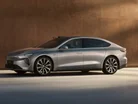
Established car manufacturers must "keep looking over their shoulders" as sentiment toward Chinese car brands grows among European new car buyers, particularly younger consumers. The insight comes from the Chinese Automotive Brand Impact Study published by data analytics and advisory firm Escalent. The study reveals that even among consumers traditionally hesitant to buy Chinese cars, competitive pricing is a key factor that can swiftly shift them from "biased" to "buyer."
Pricing a deciding factor
The study surveyed more than 1,600 new car buyers across France, Germany, Italy, Spain and the UK and found that price reductions play a significant role in swaying consumer interest. On average, a 27% price reduction makes Chinese cars attractive, with one-third of respondents expressing interest if the price difference is between 11% and 20%. Notably, 10% of respondents stated that even a 10% price reduction would be enough to consider a Chinese brand.

The expectation that Chinese cars should be cheaper than established brands remains widespread, with 72% of buyers holding the view. However, perceptions of Chinese EVs are evolving, with many recognising them as innovative and comparable to global competitors.
Younger buyers, in particular, are less likely to view Chinese brands solely as budget options and require less financial incentive to consider them. Among those under 35, 19% said a price reduction of just 10% would be sufficient.
Regional variations in consumer attitudes
The study highlights regional differences in attitudes toward Chinese car brands. In Southern Europe, particularly in Italy and Spain, there is greater openness toward these brands and an expectation of larger price reductions.
The trend reflects the demand for more affordable EV options in markets where the high cost of EVs and inadequate charging infrastructure have hindered adoption.
Chinese brands leveraging strategic marketing and sponsorships
Mark Carpenter, Managing Director of Escalent UK, pointed out that while Chinese-made products generally lag in credibility compared to other nations, perceptions are shifting in the automotive sector, stated:
“We found that at the generic level, the credibility of goods from China tends to trail other countries by a large margin. But when the focus is on cars, that gap is already a little smaller, with people willing to change their minds for a comparable price and quality car.
"There’s clearly a tipping point where people are willing to transition from being biased to an interested buyer.”
Chinese brands are capitalising on the changing sentiment through high-profile sponsorships and advertising campaigns despite potential tariffs ranging from 17% to 35% in some markets.
“This focus on ‘brand’ alongside a price offer likely to be less than alternatives could change the EV car landscape in Europe very quickly,” Mark added. “Even with relatively nascent levels of activity, this should be setting off alarm bells for established car brands that need to look over their shoulders at the growing threat.”
1 in 5 car owners considering a Chinese brands
Escalent’s study suggests that at least one in five car owners would “probably” or “definitely” consider purchasing a Chinese vehicle.
Mark noted that the risk is widespread across various car segments. “The ‘risk order’ might surprise people. There are South Korean, German, French, Japanese and Italian car owners in there, showing a much broader appeal for Chinese brands rather than being limited to specific market areas.”
Chinese brands climbing the awareness ladder
While many Chinese brands remain relatively unknown, awareness is growing. MG and BYD are among the top 25 most familiar brands, with them ranked 22nd and 25th respectively. Brands like Xiaomi, NIO and Chery are gaining traction, particularly among younger consumers.
Methodology of study
Escalent’s study surveyed 1,630 respondents across France, Germany, Italy, Spain and the UK. All respondents own a 2016 or newer vehicle and plan to purchase a new one within the next five years. Conducted between October and November 2024, the study reflects market-representative demographics and vehicle sales trends.
With increasing consumer interest, competitive pricing and strategic marketing, Chinese car brands are rapidly gaining a foothold in the European market. As the trend accelerates, established automakers must adapt to shifting consumer perceptions and the growing presence of Chinese EV brands in dealership showrooms across Europe.
Stay informed and inspired with the EV Magazine community by signing up for our free weekly newsletter. Each week, receive in your inbox the latest industry news and in-depth insights into the world of electric vehicles, sustainability and cutting-edge innovations
Subscribe now, don’t miss the opportunity to stay ahead in the fast-evolving EV industry.
EV Magazine is a BizClik brand