
MG Motors, Honda & GRIDSERVE: What is Regenerative Braking?
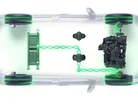
If you own or are considering an EV or hybrid, you’ve likely heard the term regenerative braking.
But what is it, how does it work and why is it such an important feature for sustainable mobility?

What is regenerative braking?
At its core, regenerative braking captures and reuses the kinetic energy created when slowing down a vehicle.
Instead of wasting this energy as heat through friction, the system converts it into electricity and feeds it back into the car’s battery.
This process can improve efficiency and reduce waste.
According to MG Motors, the system works automatically: when you lift off the accelerator or press the brake, the car slows down and the electric motor switches into reverse to act like a generator.
MG says that “the harder you brake, the more friction caused which generates energy".
In ICE vehicles this energy is lost, but regenerative braking recycles it into usable power.
How does it work in practice?
Honda UK explains the process in hybrid vehicles:
- The electric motor powers the wheels under normal driving
- When the driver brakes or lifts off the accelerator, the motor stops powering the wheels and instead generates electricity
- This electricity is then stored in the battery, helping to recharge it and extend range.
GRIDSERVE describes the effect as "similar to hand-crank torches that generate power with motion."
When the brake pedal is pressed, the motor reverses its function, capturing the energy and sending it back to the battery.
Regenerative braking differs from traditional friction braking, where energy is lost as heat.
Instead, "less pressure is placed on the brakes and tyres, as the motor itself is slowed down to recover energy," MG says.
It also differs from dynamic braking, which relies on engine torque to slow a vehicle, usually in emergencies, rather than to recover energy for reuse.
"There is an appreciation and acceptance that EVs are here, they are better for us and the environment," says Sam Clarke, Chief Vehicle Officer at GRIDSERVE Sustainable Energy Limited, on LinkedIn.
Which cars use regenerative braking?
Both hybrids and EVs make use of regenerative braking.
MG Motors says that this is because they "run on electricity stored in batteries", making them suited to recover energy during braking.
In EVs, pressing the brake pedal sends power to the motor, allowing the vehicle to "slow more quickly than with traditional brakes while also charging the battery," according to MG.
GRIDSERVE says: "All EVs sold today feature some form of regenerative braking, with modern systems offering selectable modes for different driving styles."
For example, some vehicles allow "one-pedal driving", where simply lifting off the accelerator can slow the car almost to a complete stop without touching the brake pedal.
Advantages of regenerative braking
MG Motors says the benefits of regenerative braking include:
- Reduced fuel and energy consumption – Energy is captured and reused instead of wasted
- Extended battery life – Captured energy helps recharge the battery, reducing charging costs and easing range anxiety
- Lower maintenance costs – Less wear on brake pads means fewer replacements
- Environmental gains – Improved energy efficiency and reduced emissions.

GRIDSERVE estimates that regenerative braking can add around 20% to a vehicle’s range, particularly in stop-start city driving.
This could mean an extra 20 miles on a 100-mile journey.
Motorsport even uses similar systems, such as KERS (Kinetic Energy Recovery Systems) in Formula 1.
However, Honda notes there are a few drawbacks:
- Variable efficiency – Effectiveness depends on driving style and speed, with lower returns at slow speeds or harsh braking
- Different feel – Some drivers find regenerative braking feels smoother or more abrupt compared with traditional systems, requiring adjustment.