
Tesla and Samsung Collaborate on A16 Chips for EV Growth
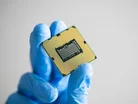
Samsung has secured a US$16.5bn contract to produce advanced AI chips for Tesla, marking one of the most notable semiconductor deals in the company’s history.
This collaboration emphasises Tesla's dedication to enhancing its electric vehicle technology, particularly in the autonomous driving segment.
The South Korean technology giant announced the arrangement with Tesla through a regulatory filing, which was later confirmed by CEO Elon Musk.
He shared that Samsung will be responsible for manufacturing the next-generation A16 chips at a new facility situated in Taylor, Texas.
"The strategic importance of this is hard to overstate," Musk expressed on X, highlighting the substantial value of this agreement for Tesla's ambitions in the driverless vehicle market.
Musk has also indicated that Tesla will play an active role in optimising the manufacturing processes, even committing to "walk the [manufacturing] line personally to accelerate the pace of progress".
Support from the government and industry perspectives
The deal builds on a foundation of significant US government investment aimed at bolstering American semiconductor manufacturing.
The Biden administration allocated US$4.75bn to Samsung's Texas operations as part of the Chips Act, intending to reduce reliance on foreign chip sources and support sectors such as AI and national security.
Former US Commerce Secretary Gina Raimondo emphasised that the funding would ensure a steady supply of essential chips.
This deal not only fulfils Samsung's need for a significant Texas client but also demonstrates the strategic importance of local chip manufacturing.
Tackling manufacturing challenges
Samsung's facility in Texas has faced hurdles since its inception, leading some in the industry to doubt its feasibility without a major customer.
Ryu Young-ho, a Senior Analyst with Seoul-based NH Investment & Securities, noted the plant had, until now, lacked substantial customers, making this Tesla contract important for Samsung's US expansion.
In October, it was reported that Samsung had postponed the delivery of equipment needed for chip-making, due to uncertainty in client commitments.
This delay has pushed the facility's operational launch to 2026, illustrating the complexities inherent in establishing new manufacturing capabilities.
Aligning Tesla with the semiconductor market
Currently, Samsung produces Tesla’s AI4 chips used in the full self-driving systems for electric vehicles.
However, Tesla has diversified its supply chain through partnerships with companies like Taiwan Semiconductor Manufacturing Company (TSMC), which will initially manufacture AI5 chips in Taiwan before moving production to Arizona.
The introduction of the A16 chips signifies Tesla’s intention to advance several generations of AI processors to further its autonomous vehicle initiatives.

Implications for the automotive and semiconductor industries
This agreement highlights the increasing demand for specialised AI semiconductors within the automotive sector, as companies race to develop autonomous driving technology.
Tesla's commitment to investing US$16.5bn in semiconductor manufacturing illustrates its confidence in the future of self-driving electric vehicles.
For Samsung, the partnership validates its strategic US presence and provides a significant revenue stream for its semiconductor division.
Additionally, this collaboration reflects larger geopolitical movements toward localising critical technology production amid ongoing trade tensions.