Sun-to-Wheel: GRIDSERVE's Plan for UK EV Infrastructure

When Toddington Harper established GRIDSERVE in 2017, the infrastructure for EVs in the UK was very different from the current landscape.
Public charging options were often inconsistent and unreliable.
This lack of infrastructure contributed to range anxiety among drivers, which discouraged many from shifting to EVs.
However, Toddington aimed to use solar power to facilitate EV charging and the company now supports drivers throughout the UK using solar energy.
GRIDSERVE's system is known as Sun-to-Wheel, a play on the oil industry’s well-to-wheel concept.
When used alongside advanced battery storage, this results in renewable energy that is accessible at any time without reliance on fossil fuels.
Electric forecourts
A key development for the firm came in December 2020 when the business launched the first electric charging forecourt in Great Notley, UK.
Connected to a solar farm in Clayhill, UK, the location can charge 36 vehicles simultaneously using renewable electricity.
The 350 kW chargers allow a customer to gain 200 miles of range in roughly 20 minutes.
The site also contains a 6 MWh battery capable of storing sufficient energy for 24,000 miles of EV driving, which helps balance resources.
This project received attention from national media and the business received a car innovation award in early 2022.
Following this, GRIDSERVE acquired the Electric Highway network from Ecotricity in July 2021.
This network held chargers at most motorway services but required modernisation. The company updated these sites with devices offering contactless payment.
GRIDSERVE then installed Electric Super Hubs featuring high-power chargers at various locations run by Moto.
In 2023, the firm facilitated over 1.9 million charging sessions, which equates to more than 160 million zero-emission miles.
In 2024, the business added approximately 400 high-power charging bays to the network.
By February 2025, the company operated more than 190 locations with 1,400 charging bays.
Heavy goods vehicles
Work continues regarding gaps in the charging landscape, specifically concerning electric HGV (eHGV) charging.
New charging hubs at Baldock and Exeter in the UK are the first sites delivered under the Electric Freightway project funded through the Department for Transport.
To demonstrate viability, an electric DAF XF completed a 200-mile trip between these hubs using public infrastructure.
The business also expanded its partnership with Extra MSA.
The two companies collaborated on seven new Super Hubs expected to add 96 high-power charging bays across the Extra estate by late 2026.
Each hub will feature 400kW-capable chargers that deliver enough energy to add more than 100 miles of range in under ten minutes to compatible models.
New leadership
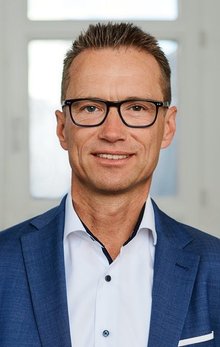
GRIDSERVE announced Daniel Kunkel as its new Chief Executive Officer in February 2025.
Daniel took over from Roy Williamson, who held the interim position after Toddington departed.
Daniel joined following his tenure at ubitricity, where the charging network grew to 13,500 charge points under his leadership.

According to the Society of Motor Manufacturers and Traders (SMMT), roughly one in five new cars in the UK is now battery electric.
This makes the UK the second largest market for new electric cars in Europe.
For GRIDSERVE, the market presents challenges alongside opportunities.
The company that started with a single forecourt now operates a widely used network and aims to target freight, retail and destination charging.
Company portals

Executives
Daniel Kunkel
CEO
Toddington Harper
Founder