
Reciprocal Tariffs: Automakers Face the Brunt of Trade War
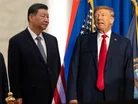
The ongoing trade tensions between the US and China have left automakers in a precarious position, with both nations imposing steep tariffs on steel and aluminium imports.
These measures, including US President Donald Trump's 25% tariff on all steel and aluminium entering the US, coupled with China's retaliatory tariffs, are expected to have far-reaching consequences for the global automotive industry.
Rising production costs threaten automakers and consumers
Increased tariffs on steel and aluminium are driving up production costs for automakers. As essential materials in vehicle manufacturing, the rising prices of these metals are significantly impacting expenses.

The market price for hot-rolled steel has already surged by 50%, climbing from US$600 per ton to US$900 per ton following the initial tariff implementations, forcing automakers to reconsider their manufacturing strategies and pricing models.
As production costs soar, consumers will likely bear the brunt through increased vehicle prices. Industry forecasts predict that US-made vehicles could see an average price hike of US$2,000, while imported cars may experience a staggering US$7,000 increase.
Such sharp price increases could dampen consumer demand, leading to a slowdown in overall vehicle sales.
Disruptions in the automotive supply chain
The global supply chain, meticulously optimised over decades for efficiency and cost-effectiveness, is now under significant strain.
Automakers are scrambling to find alternative suppliers or absorb additional costs as the tariffs disrupt established supply routes.
The sudden imposition of these trade barriers has left manufacturers in a challenging position, forcing them to reassess sourcing strategies and logistical frameworks.
US automakers face competitive disadvantages
US automakers may find themselves at a distinct disadvantage in the international market. As they struggle with increased production costs due to tariffs, foreign competitors not subject to these levies can offer more competitively priced vehicles.
The scenario raises concerns about losing domestic and key export regions' market share.
What's more, the added financial burden of tariffs limits automakers' ability to invest in R&D. Suppliers are absorbing part of the rising steel costs, leading to reduced earnings and constrained budgets for technological advancements.
The scenario risks progress in key areas such as EV development and autonomous driving technology.
Job losses in the automotive sector
While the tariffs aim to protect jobs in the steel and aluminium industries, they could inadvertently lead to job losses in the automotive sector.
Industry analysts estimate that the increased production costs and potential sales decline may result in the loss of up to 75,000 manufacturing jobs in sectors reliant on these metals.
More broadly, as a crucial driver of the global economy, disruptions in the automotive industry could have significant repercussions. Economic uncertainty fuelled by the tariffs can lower consumer confidence, contributing to a broader economic slowdown.
Notably, 60% of economists predicted a recession in 2020, citing trade tensions as a contributing factor.
Phoebe O'Hara, Senior Analyst at Systemiq Ltd, weighs in on the fast-moving situation: "The evolving tariff landscape, coupled with recent market data, paints a complex picture. While we're seeing growth in some areas, particularly in hybrid vehicles, the decline in BEV market share in key regions like the EU suggests that tariffs aren't the only factor at play.
"Manufacturers and suppliers are likely to face challenges in balancing production strategies with shifting consumer preferences and policy environments across different markets."
How automakers are adapting
Despite challenges, automakers are employing various strategies to mitigate the impact of tariffs and maintain competitiveness.
Supply chain optimisation
- Diversification of sourcing: Manufacturers are reducing reliance on single suppliers or countries, seeking alternative sources domestically and internationally to minimise exposure to tariff-related price surges.
- Inventory management: Companies strategically adjust inventory levels, either stockpiling materials ahead of tariffs or scaling back to reduce potential losses.
Cost management strategies
- Cost structure analysis: Automakers are conducting thorough cost evaluations to understand the impact of tariffs and adjust financial planning accordingly.
- Contract renegotiation: Some manufacturers are renegotiating supplier contracts to include tariff-related contingencies and mitigate unforeseen cost increases.

Production adjustments
- Reshoring and nearshoring: Some automakers are considering relocating production back to their home countries or closer regions to lessen tariff burdens and enhance supply chain resilience.
- Partial reshoring: Rather than importing finished goods, manufacturers are importing components for final assembly to reduce tariff exposure.
Tariff mitigation techniques
- Utilising free trade zones: The zones allow companies to process, store, or manufacture goods while avoiding or reducing tariff costs.
- Tariff engineering: Some automakers adjust product classifications or make slight modifications to qualify for lower tariff rates.
Leveraging technology
- Advanced analytics and supply chain software: Implementing real-time tracking and analysis tools helps manufacturers optimise logistics and sourcing strategies.
- Financial instruments: Automakers use financial hedging tools to stabilise costs and mitigate currency fluctuations related to tariff expenses.
Nathan Niese, Managing Director and Partner at Boston Consulting Group, highlights the long-term implications of tariffs.
"The use of tariffs by the US is both preventative and reactive," he explains. "Direct implications are relatively muted in the near term. But the tariffs could lead to seismic shifts in the years ahead."
While automakers employ various strategies to navigate the tariff crisis, none are without financial consequences.
Companies may still need to raise vehicle prices, cut costs elsewhere or accept reduced profitability. As trade tensions evolve, the automotive industry faces challenges adapting to an increasingly complex and uncertain global market.
Stay informed and inspired with the EV Magazine community by signing up for our free weekly newsletter. Each week, receive in your inbox the latest industry news and in-depth insights into the world of electric vehicles, sustainability and cutting-edge innovations
Subscribe now, don’t miss the opportunity to stay ahead in the fast-evolving EV industry.
EV Magazine is a BizClik brand.