
Imminent Trump Tariffs: Do Automakers Comply or Defy?
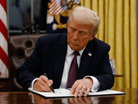
As the April 2, 2025 deadline for President Donald Trump’s trade policies approaches—dubbed “Liberation Day” by the administration—the global trade landscape is undergoing significant shifts. The implementation of reciprocal tariffs and new trade policies has prompted varied reactions from international stakeholders.
The Trump administration plans to introduce reciprocal tariffs on April 27, assigning rates based on each country’s existing tariffs, non-tariff barriers, and other economic factors. Some nations may have the opportunity to negotiate adjustments to avoid restrictive trade barriers.

Impact on the automotive industry
One of the most consequential measures is a proposed 25% tariff on automobile imports. While some exemptions may be granted, the goal is to encourage automakers to shift more production to the United States. Japanese automakers, including Toyota, have voiced concerns over the potential economic impact.
In response, Hyundai Motor Group has announced a US$21bn investment in the US. President Trump highlighted the investment as proof of his policies' effectiveness, stating, “Investment is flowing in. This investment is a clear demonstration that tariffs work very strongly.”
- A US$5.8bn steel production facility in Louisiana, projected to create approximately 1,300 jobs.
- Expansion of domestic supply chains to support Hyundai’s US manufacturing plants.
- The creation of 14,000 new full-time jobs by 2028, with a broader economic impact generating over 100,000 direct and indirect jobs in related industries.
- Strengthened partnerships with suppliers to support EV and automotive parts production.
Hyundai’s Executive Chair, Euisun Chung, commented, “Hyundai Motor Group is deepening its partnership with the United States, reinforcing our shared vision for American industrial leadership.”
Sector-specific tariffs and economic impact
In addition to the automobile industry, tariffs on pharmaceutical and semiconductor imports are anticipated. However, the exact timeline for these measures remains uncertain. A White House spokesperson has stated that details are still “to be determined.”
The administration has further hinted at potential exemptions for certain countries. Trump has suggested that a smaller group, referred to as the “Dirty Fifteen”, consisting of countries with significant trade surpluses and high tariffs, may face stricter regulations.
Automakers’ strategic responses
Automakers worldwide are adapting to the evolving trade environment. Honda has signed an agreement to purchase hybrid batteries from Toyota’s US facility, a move expected to mitigate tariff risks. Under the deal, Honda will purchase 400,000 hybrid battery packs per year starting in April 2025.
Meanwhile, Japanese manufacturers are adjusting their strategies:
- Lobbying efforts: Automakers, including Toyota, Honda and Nissan, are urging the Japanese government to negotiate exemptions.
- Production adjustments: Some manufacturers are accelerating shipments to the US before the tariff implementation date.
- Increased domestic production: Automakers are considering boosting operations at their U.S. plants to reduce dependency on imports.
Executives from Nissan and Honda have expressed concerns that these tariffs could significantly affect their profitability. The Japan Automobile Manufacturers Association (JAMA) has warned of potential “significant production adjustments” should the tariffs take effect.
Global reactions and market response
The European Union has already introduced counter-tariffs on US$28bn worth of US products, reflecting the international economic tension. Additionally, US stock markets have reacted positively to hints of tariff flexibility, but uncertainty remains about the extent and implementation of the measures.
Economic consequences for the US market
While the Trump administration’s tariffs are expected to generate significant revenue, economic experts warn of potentially negative effects on consumers and industries:
- Consumer costs: Studies indicate that increased tariffs could lead to higher prices for American consumers, with vehicle prices projected to rise by US$3,000 to US$12,000 per unit.
- Income impact: The Peterson Institute for International Economics estimates that tariffs could reduce the income of the poorest fifth of Americans by 4%, while the wealthiest fifth may see a 2% decline.
- Inflationary pressure: Rising costs for imported goods could contribute to higher inflation and potential interest rate increases.
The future of global trade
As Sky News analyst Ed Conway explains, “There is only so high one can lift these fees before they begin to stifle activity, making goods so expensive to import that domestic consumers face economic damage.”
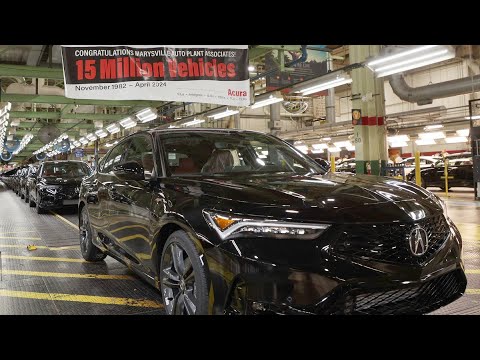
With North America traditionally operating as a single integrated market, the disruption of existing supply chains through tariffs is likely to lead to increasing costs and reduced efficiency. As Hyundai and other manufacturers expand their US operations, the long-term effects of these trade policies will continue to shape the industry.
While the Trump administration remains steadfast in its protectionist approach, automakers and global trade partners are working to adapt. The balance between safeguarding domestic industries and maintaining a competitive global market will remain a central focus in the evolving economic landscape.
Stay informed and inspired with the EV Magazine community by signing up for our free weekly newsletter. Each week, receive in your inbox the latest industry news and in-depth insights into the world of electric vehicles, sustainability and cutting-edge innovations
Subscribe now, don’t miss the opportunity to stay ahead in the fast-evolving EV industry.
EV Magazine is a BizClik brand.