How Hyundai Mobis is Driving Korea's EV Chip Supply Chain
As the automotive industry continues to move towards EVs, the reliance on a stable supply of semiconductors has become more critical than ever. Responding to global supply chain pressures, Hyundai Mobis is spearheading an initiative to establish a robust domestic supply chain for automotive semiconductors in Korea, with major implications for the future of electric mobility.
Hyundai Mobis has launched Auto Semicon Korea (ASK), a new private-sector-led forum comprising 23 companies and research institutions. The coalition aims to reduce the nation's dependence on imported chips and foster an agile ecosystem to support the expanding mobility sector.
Participants in the inaugural forum included major Korean firms like Samsung Electronics, LX Semicon and SK keyfoundry, alongside international companies such as GlobalFoundries.

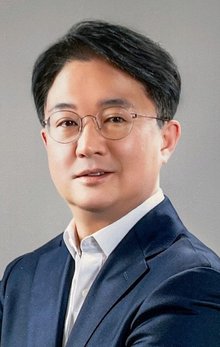
The goal, according to Hyundai Mobis President Lee Gyu-suk, is to create “a self-sustaining domestic value chain” and to localise core automotive semiconductors, which have traditionally been sourced from Europe, North America and Japan.
Strengthening the EV chip supply chain
Hyundai Mobis holds a unique position, acting as both a semiconductor designer and a Tier 1 supplier to global vehicle manufacturers. This allows it to bridge the gap between upstream chip production and downstream automotive demand, particularly for the complex systems found in modern EVs.
Hyundai Mobis is not only designing chips but also managing the supply chain and validating the technology for real-world applications.
Hyundai Mobis President Lee Gyu-suk says the goal is to create “a self-sustaining domestic value chain” and to localise core automotive semiconductors, which until now have come mostly from Europe, North America and Japan.
Lee says: “We are securing independent semiconductor design capabilities while pursuing joint development with fabless companies and design houses, and expanding cooperation with major foundries.
"We actively encourage companies specialised in home appliances or mobile to enter the mobility sector, and through this, we will take the lead in building the domestic ecosystem.”
This strategy could help build a resilient supply chain capable of withstanding global disruptions, ensuring a steady flow of components for EV manufacturing.
Accelerating electric drive system development
A key objective of the ASK initiative is to shorten the development cycle for automotive semiconductors. Hyundai Mobis advocates for an integrated development process, which it believes is essential for optimising performance.
“The key to automotive semiconductors lies in optimal integration with the controller,” said Park Chul-hong, Executive Vice President and Head of the Semiconductor Business at Hyundai Mobis.
For electric drive systems, where semiconductors directly influence an EV's range and efficiency, this integrated approach could be transformative. Hyundai Mobis claims that this method can reduce the typical development timeline by nearly two years.
Park explained, “To enhance the differentiated competitiveness of domestic companies, Hyundai Mobis defines controller-specific specifications and supports real-vehicle-based validation, enabling considerably faster development cycles.”
Hyundai Mobis is already producing 16 different types of semiconductors in-house, totalling over 20 million units.
From consumer electronics to EV components
To facilitate this ecosystem, Hyundai Mobis is leveraging its ISO 26262 certification for semiconductor research and development. This allows Hyundai Mobis to share proven design and quality management frameworks with partners, many of which are transitioning from the consumer electronics industry.
By providing a technical safety net, the initiative helps these firms adapt their expertise to meet the rigorous safety and quality standards of the automotive sector, especially for critical EV components like battery management systems and powertrains.
The ASK forum is set to become an annual event, with plans to include startups and trade associations in the future.
According to one global market research firm, the automotive semiconductor market is projected to grow at a compound annual rate of 9%, reaching US$135bn by 2030.
Key growth segments for Hyundai Mobis, including infotainment, ADAS (advanced driver assistance systems) and electrification, are expected to constitute 70% of this market.
The ASK forum represents a foundational step in building the domestic supply chain needed to secure a large share of this expanding and EV-led market.
Company portals

Executives
Chul-Hong Park
Senior Vice President