Hypercar Market to Soar by US$84.28B from 2025-29
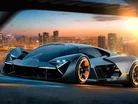
The global Hypercar market is poised for substantial growth, with Technavio projecting an increase of US$84.28bn between 2025 and 2029.
The expansion corresponds to a compound annual growth rate (CAGR) of nearly 31%. Key drivers include the rise in global racing events and the continuous development of new Hypercars featuring cutting-edge technology. However, the market faces challenges due to the high costs associated with manufacturing and ownership.
Key industry players
The Hypercar market features a mix of established automakers and emerging players. Key industry participants include:
- Ferrari NV
- Aston Martin Lagonda Ltd.
- McLaren Group Ltd.
- Koenigsegg Automotive AB
- Mercedes-Benz Group AG
- Tesla Inc.
- Volkswagen AG
- Toyota Motor Corp.
- Rimac Automobili
- Zenvo Automotive AS
Trends driving market growth
Rise in racing events and sponsorships
One of the primary drivers of market growth is the increasing popularity of motorsports. With higher sponsorship investments and expanding global viewership, automakers are motivated to introduce advanced Hypercars. Recent developments highlight this trend:
- In April 2022, Ferrari launched the 296 GTS convertible hybrid supercar.
- Maserati aims to debut the MC20 mild-hybrid supercar in India, marking its foray into electrification.
Advancements in materials and performance
The Hypercar industry embraces lightweight materials such as carbon fibre and aluminium to enhance aerodynamics and efficiency. Additionally, manufacturers are focusing on boosting performance while reducing emissions. The growing acceptance of electric Hypercars is shaping the industry's future, with brands heavily investing in research and development.
AI's role in market transformation
Artificial Intelligence (AI) is crucial in optimising Hypercar performance. From predictive maintenance systems to autonomous driving enhancements, AI is transforming vehicle dynamics and user experience. The technology enables Hypercars to achieve superior speed, energy efficiency and safety.

Market challenges
High production and maintenance costs
Despite rapid advancements, the Hypercar market faces challenges related to cost. Many Hypercars are built using complex engineering and expensive materials, leading to high production costs. Some notable challenges include:
- Manufacturing costs can exceed US$2m to US$3m per unit.
- Maintenance expenses are significantly high.
- Regulatory hurdles related to emissions and safety standards add to overall costs.
Market segmentation
Segmenting the Hypercar market by powertrain type, application and geography:
Powertrain Type
- Gasoline Hypercars dominate the market, driven by consumer demand for traditional high-performance vehicles.
- Hybrid/electric Hypercars are gaining traction due to sustainability concerns and advancements in battery technology.
Application
- Private use: Enthusiasts and collectors drive demand for exclusive, high-performance models.
- Racing: Increasing investment in motorsport competitions boosts market expansion.
Geographic distribution
- North America
- APAC (Asia-Pacific)
- Europe
- Middle East & Africa
- South America
Despite high production costs, the Hypercar market is expected to thrive, fueled by continued innovation, consumer demand and AI-driven advancements. The shift toward hybrid and electric Hypercars is expected to redefine the industry, with new players and technological breakthroughs shaping the next generation of high-performance vehicles.
As AI continues refining vehicle performance and motorsport events gain momentum, the Hypercar industry aims to reach unprecedented growth and innovation in the coming years.
Stay informed and inspired with the EV Magazine community by signing up for our free weekly newsletter. Each week, receive in your inbox the latest industry news and in-depth insights into the world of electric vehicles, sustainability and cutting-edge innovations
Subscribe now, don’t miss the opportunity to stay ahead in the fast-evolving EV industry.
EV Magazine is a BizClik brand.