
EY: How to Unleash the Untapped Flexibility of EVs
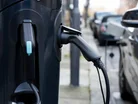
Europe's energy sector is undergoing a significant transformation, driven by the urgent need to decarbonise and enhance energy security. Opportunities and challenges arise with the increasing adoption of renewable energy sources and the electrification of various sectors. Smart charging technologies, particularly for EVs, are critical in creating a sustainable and resilient energy system.
A report titled Plugging into Potential: Unleashing the Untapped Flexibility of EVs, a collaboration between EY and Eurelectric, highlights the importance of smart charging in optimising energy consumption, integrating renewable energy and stabilising the grid.
The report outlines how, while the energy system is already smart, there is the need for it to become even more intelligent.
V1G: A stepping stone to grid flexibility
Unidirectional smart charging (V1G) optimises EV charging based on user preferences, electricity prices, grid conditions and renewable energy availability. By utilising time-of-use (ToU) tariffs, EV owners can charge their vehicles during off-peak hours when electricity costs are lower, reducing strain on the grid.
Instead of all EVs being plugged in immediately after work — coinciding with peak demand from other household devices — smart algorithms distribute charging based on user-set preferences.
For example, a driver may charge their car to 80% overnight at the lowest available rate or be fully charged by 8:00 a.m. This form of smart charging is already proving its value in reducing energy costs and improving grid efficiency.
V2G: The future of bidirectional energy flow
While V1G is a step forward, bidirectional charging (V2G) represents the next evolution in energy management. V2G allows electricity to flow in two directions: from the grid to the vehicle and back again or directly from the vehicle battery to the home.
The bidirectional capability transforms EVs into distributed energy storage units, absorbing surplus renewable energy when available and discharging it back to the grid during peak demand.
Although implementing V2G requires addressing challenges such as standardising charging interfaces and regulatory frameworks and ensuring driver consent, the potential benefits are vast. Successful deployment of V2G could stabilise the grid, reduce peaks in electricity demand and lower electricity costs for consumers.

The economic case for smart charging
Both V1G and V2G present compelling economic advantages. European grid operators stand to save an estimated US$4.37bn annually by leveraging smart charging technologies. Efficient grid infrastructure management and strategic investments in flexibility solutions further contribute to reduced grid investment costs.
Moreover, smart charging improves the economic viability of EV ownership by lowering the total cost of ownership (TCO), making EVs more accessible to a broader consumer base.
While the potential of smart charging is clear, several obstacles must be addressed to integrate EVs fully into the energy system. Key challenges include:
- Battery degradation: Frequent charge-discharge cycles associated with smart charging can impact battery lifespan.
- Compatibility issues: Many EV models lack compatibility with bidirectional charging systems, limiting V2G adoption.
- Grid overload risk: Increased EV adoption adds significant electricity demand, requiring additional infrastructure investment.
- High installation costs: Charging station installation costs can range from US$2,730 for slower chargers to US$39,000 for fast chargers, plus additional regulatory fees.
- Range anxiety: Limited range and the availability of charging stations remain concerns for potential EV adopters.
- Privacy and security concerns: As EVs become more connected, data protection and cybersecurity must be a priority.
- Regulatory compliance: Smart charging implementation requires navigating complex regulatory frameworks and ensuring appropriate incentives for EV owners.
Integrating EVs with renewable energy
The report highlights several key strategies for managing the variability of renewable energy sources through integrating EVs.
Smart charging plays a crucial role by optimising charging schedules based on grid conditions and renewable energy availability, ensuring a better balance between supply and demand.
Vehicle-to-grid (V2G) technology further enhances grid stability by enabling bidirectional energy flow. It allows EVs to function as distributed storage units that absorb excess renewable energy and discharge it back to the grid when needed.
Additionally, investment in charging infrastructure is essential to support the growing adoption of EVs and ensure alignment with renewable energy generation. Scaling battery production is another critical factor, as increasing storage capacity can enhance energy resilience and facilitate the integration of higher levels of renewable power into the grid.
Utilities play a significant role in maximising the potential of smart charging and V2G technologies. Managed charging programmes allow utilities to control when EVs charge, ensuring demand does not overwhelm the grid while maximising renewable energy availability.
Virtual power plants (VPPs), which aggregate multiple EV batteries into a flexible energy resource, help stabilise demand fluctuations and support grid reliability. Additionally, implementing Open Vehicle-Grid Integration Platforms (OVGIP) enables seamless communication between EVs, charging infrastructure and grid operators, optimising energy management and enhancing overall system efficiency.

Smart charging presents a transformative opportunity to integrate EVs into the energy system, enhance grid stability and promote renewable energy adoption. By advancing V1G capabilities and paving the way for V2G, Europe can unlock EVs' untapped flexibility and build a more sustainable and resilient energy future.
Addressing the challenges of infrastructure, regulation and consumer adoption will require coordinated efforts from automakers, grid operators, policymakers and consumers. By embracing innovation in energy flexibility, EVs can become essential assets in transitioning to a cleaner and more efficient energy landscape.
Stay informed and inspired with the EV Magazine community by signing up for our free weekly newsletter. Each week, receive in your inbox the latest industry news and in-depth insights into the world of electric vehicles, sustainability and cutting-edge innovations
Subscribe now, don’t miss the opportunity to stay ahead in the fast-evolving EV industry.
EV Magazine is a BizClik brand.