
Why is BMW Delaying Electric Mini Production?
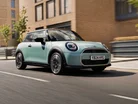
BMW has announced a significant delay in restarting EV production at its Oxford Mini plant, citing "multiple uncertainties facing the automotive industry".
The decision halts the ongoing US$733m upgrade of its Cowley facility, raising questions about the future of EV production in the UK.
The move comes amid ongoing discussions between the UK Government and the automotive industry regarding EV production targets, particularly in relation to the Zero-Emission Vehicle (ZEV) mandate.

Aimed at accelerating the transition to EVs, the ZEV mandate has been criticised by manufacturers who argue that its sales targets are overly ambitious. It requires automakers to sell an increasing percentage of zero-emission vehicles yearly or face penalties for non-compliance.
In 2024, the mandate accelerated the UK electric car market share to 19.6%, surpassing the required 18% threshold when considering regulatory flexibilities.
BMW's decision to delay EV production reflects broader industry concerns over the pace of EV adoption. It has also opted to decline a US$74.8m government grant, although it remains in "close dialogue" with officials. The strategic shift follows similar moves by other manufacturers, such as Stellantis, which cited the ZEV mandate as a factor in its decision to close its Luton van factory in November 2024.
BMW reaffirms commitment to Oxford facility
Despite the postponement, BMW has highlighted the long-term importance of its Oxford plant.
"Plant Oxford is at the heart of Mini production, manufacturing and exporting a range of models, which are sought after in the UK and around the world," it said in a statement.
The company reassures that much of the planned investment remains on track, with the construction "well under way to make the plant future-ready", including a new "state-of-the-art logistics facility".
Compliance and debate over the ZEV Mandate
A recent report from Transport & Environment (T&E), based on car sales figures from Dataforce, found that all major car manufacturers, including Hyundai, Stellantis, BMW, Mercedes-Benz, SAIC and Geely, successfully met the UK's ZEV sales mandate in 2024.
Compliance was achieved through increased EV sales and reduced emissions from combustion-engine vehicles.
However, the industry continues to push for modifications to the mandate, citing concerns over its feasibility. T&E warns against weakening the mandate, highlighting its role in promoting consumer choice and regulatory stability.
Anna Krajinska, Director of T&E UK, remarked: "Carmakers are meeting the ZEV mandate despite all the complaints. The result is a growing UK EV market and many cheaper models for consumers to go electric.
The Government must stand firm against calls to water down the law and instead focus on delivering a robust industrial strategy for the automotive sector."
Government response and future considerations
The Department for Transport (DfT) acknowledges the challenges faced by car manufacturers and is consulting on "reinstating the 2030 electric vehicle deadline while also protecting jobs."
The government maintains that this decision is "supported by a majority of manufacturers who have been working towards this date and are on track to meet their ZEV mandate targets."
As the UK automotive industry navigates the transition to electric mobility, the interplay between ambitious environmental policies and market realities remains a critical issue.
BMW's decision to delay electric Mini production in Oxford demonstrates the complexities of the shift and highlights the need for continued collaboration between industry stakeholders and policymakers. Ensuring a sustainable and economically viable transition to electric mobility will require balancing regulatory frameworks with practical industry considerations.
Stay informed and inspired with the EV Magazine community by signing up for our free weekly newsletter. Each week, receive in your inbox the latest industry news and in-depth insights into the world of electric vehicles, sustainability and cutting-edge innovations
Subscribe now, don’t miss the opportunity to stay ahead in the fast-evolving EV industry.
EV Magazine is a BizClik brand.