
What the UK-US Trade Deal Means for the EV Sector
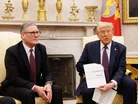
The new trade deal between the UK and the US, announced on 8 May 2025, is a first-of-its-kind agreement between the two nations and one that could be hugely significant going forward.
The trade deal primarily covers cars, steel and agriculture.
The UK steel industry will no longer face tariffs on exports to the US, being negotiated down from 25% to zero through this deal.
This just weeks after the British industry was on the brink of collapse, with the government taking control of British Steel from Jingye Group to prevent the closure of a plant in Scunthorpe.
Car export tariffs will reduce from 17.5% to 10% on a quota of 100,000 UK cars.
The deal also agreed reciprocal market access on beef, with a tariff free quota for UK farmers of 13,000 tonnes.
Ethanol, used as a biofuel and to produce products like beer, will have no tariff when imported from the US to the UK.
Ongoing negotiations will look to address other sectors, the UK government says, like pharmaceuticals and remaining reciprocal tariffs.

The outlook for the EV sector
The deal represents a significant turning point for the electric vehicle industry on both sides of the Atlantic.
With car export tariffs slashed from 27.5% to 10% for up to 100,000 UK vehicles annually, British EV manufacturers stand to gain substantial competitive advantages in the crucial American market.
Contrastingly, European car manufacturers will face 25% tariffs when exporting to the US.
For British steel producers, the elimination of the 25% tariff is equally transformative for EV production.
Electric vehicles require specialised high-grade steel for battery enclosures and structural components that prioritise both strength and weight reduction.
The zero-tariff arrangement ensures UK steelmakers can now supply these critical materials to both domestic and US electric vehicle manufacturers without the previous cost disadvantages.
Jaguar Land Rover is set to benefit
Jaguar Land Rover, which has been accelerating its electric transition through its "Reimagine" strategy, emerges as a primary beneficiary.
The company is poised to save "hundreds of millions" annually according to Prime Minister Keir Starmer's office, providing much-needed financial runway as it continues expanding its EV line-up.
This is welcome news for JLR, coming at a time when the financial outlook had been particularly grim following President Trump’s first round of tariffs.
As JLR navigates the capital-intensive shift from internal combustion engines to electric powertrains, this trade deal will feel like a weight off the company’s shoulders.
Strategic timing for the UK’s EV sector
The timing couldn't be more strategic for Britain's automotive sector more broadly, too.
As global EV adoption accelerates, the reduced tariffs position UK manufacturers to capture greater market share in the world's second-largest electric vehicle market.
This deal effectively lowers the entry barrier for British-made EVs in the US, potentially allowing manufacturers to offer more competitive pricing while maintaining profit margins.
Trump's administration has previously shown mixed signals regarding electric vehicles, often favouring traditional automotive manufacturing.
However, this deal suggests a pragmatic approach that acknowledges the growing importance of the EV sector to automotive industry competitiveness.
Reshaping EV supply chains
The agreement arrives against a backdrop of shifting global EV supply chains.
With Chinese manufacturers facing increased scrutiny and trade barriers in Western markets, this US-UK partnership creates an opportunity for transatlantic collaboration in electric vehicle development and production.
British EV start-ups and established manufacturers alike may find new avenues for investment, joint ventures, and technology sharing with American counterparts.
The road ahead for UK and US EVs
For British consumers, the agreement could eventually translate to a broader selection of electric vehicles at more accessible price points, as economies of scale improve and supply chain efficiencies increase.
American consumers similarly may benefit from unique British EV models entering their market with reduced import costs.
As Prime Minister Starmer said following the announcement of the deal, this represents "jobs saved, jobs won but not job done".
The true test will be how effectively both nations leverage this agreement to build resilient, innovative electric vehicle ecosystems that can compete globally while advancing their respective climate goals.
Explore the latest edition of EV Magazine and be part of the conversation at our global conference series, Sustainability LIVE.
Discover all our upcoming events and secure your tickets today.
EV Magazine is a BizClik brand