
Trump’s Tariffs: Could the Used EV Market Boom?
As trade policies tighten and vehicle tariffs loom in the United States, a quieter but crucial trend could gain ground: the used electric vehicle (EV) market.
While new car prices soar and the environmental toll of manufacturing intensifies, used EVs are emerging as a practical path toward circularity – offering resource efficiency, affordability and reduced emissions.
The growing pressure of the new car market
With escalating trade tensions, particularly the proposed 25% tariff on foreign-made cars in the United States, the new vehicle market has been thrown into flux.
This instability is expected to push prices up dramatically, with estimates suggesting hikes of between US$2,500 and US$20,000.
Already elevated by the pandemic, the average price for a new vehicle has now reached US$49,000 – up from US$37,000 in 2019.
These conditions are likely to send ripple effects through the entire automotive sector.
As new models become less attainable, consumer focus shifts towards used options, especially those already within US borders.
This market dynamic places used EVs in a compelling position – offering not just affordability but also alignment with sustainable values.
Circular economy in motion
At the core of the used EV proposition lies the principle of circularity.
Circular economy models aim to extend the lifecycle of products by promoting reuse, repair and repurposing – strategies that fit perfectly with used EV ownership.

Most electric vehicles return to the market after a few years of leasing, often still in strong condition with relatively low mileage.
Their battery systems, in many cases, remain highly functional well beyond the initial use cycle.
What makes this moment particularly opportune is the drop in used EV values.
These lower prices are the result of various market forces, including aggressive new model price cuts, particularly by Tesla, and general uncertainty about how to value battery longevity.
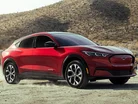
Models such as the Ford Mustang Mach-E, Hyundai Ioniq 5 and Volkswagen ID.4 have flooded the used car market, with prices now typically ranging from US$20,000 to US$40,000.
In some instances, buyers are acquiring vehicles for less than half their original retail price.
Tesla's Model 3 and Model Y lead the way in terms of affordability and availability.
Combined with existing federal incentives like the US$4,000 used EV tax credit, these trends offer consumers a rare chance to access clean transportation without the high upfront cost often associated with EVs.
Environmental and ethical advantages
The impact of choosing a used EV goes beyond personal finance.
It reinforces a transport model that relies less on new manufacturing – therefore decreasing emissions, conserving raw materials and avoiding additional waste.
Many of today’s EV batteries are defying outdated assumptions of rapid degradation.
Instead, they are demonstrating surprising durability, which only strengthens the case for extending their service through second-hand ownership.
Buying used also minimises dependency on resource-heavy global supply chains, some of which raise environmental and human rights concerns.
By keeping existing vehicles on the road for longer, the auto industry can reduce the burden on ecosystems and workers involved in the extraction of materials like lithium and cobalt.
Still, looming tariffs might yet impact used vehicles if broader pricing increases take hold across the sector – this risk makes the current market window especially attractive.
A combination of strong inventory, falling prices and supportive tax incentives sets the stage for used EVs to play a vital role in building a sustainable transport future.
For Americans looking for cleaner, more ethical mobility solutions, used electric vehicles present a meaningful alternative – economically sound, environmentally preferable and readily accessible.
Explore the latest edition of EV Magazine and be part of the conversation at our global conference series, Sustainability LIVE.
Discover all our upcoming events and secure your tickets today.
EV Magazine is a BizClik brand